
How to Prepare Your ATV for Seasonal Riding in West Virginia


Understanding Seasonal Changes
Riding an ATV in West Virginia offers thrilling experiences, but it also requires preparation for different seasons. The state's diverse climate means you'll face various challenges whether it's spring, summer, fall, or winter. Ensuring your ATV is ready for these changes will not only enhance your ride but also extend the life of your vehicle.
Each season presents unique conditions. Spring's mud and rain, summer's heat, fall's slippery leaves, and winter's snow and ice all demand specific adjustments to your ATV. Let's explore how to prepare for each season effectively.
Spring: Navigating Mud and Rain
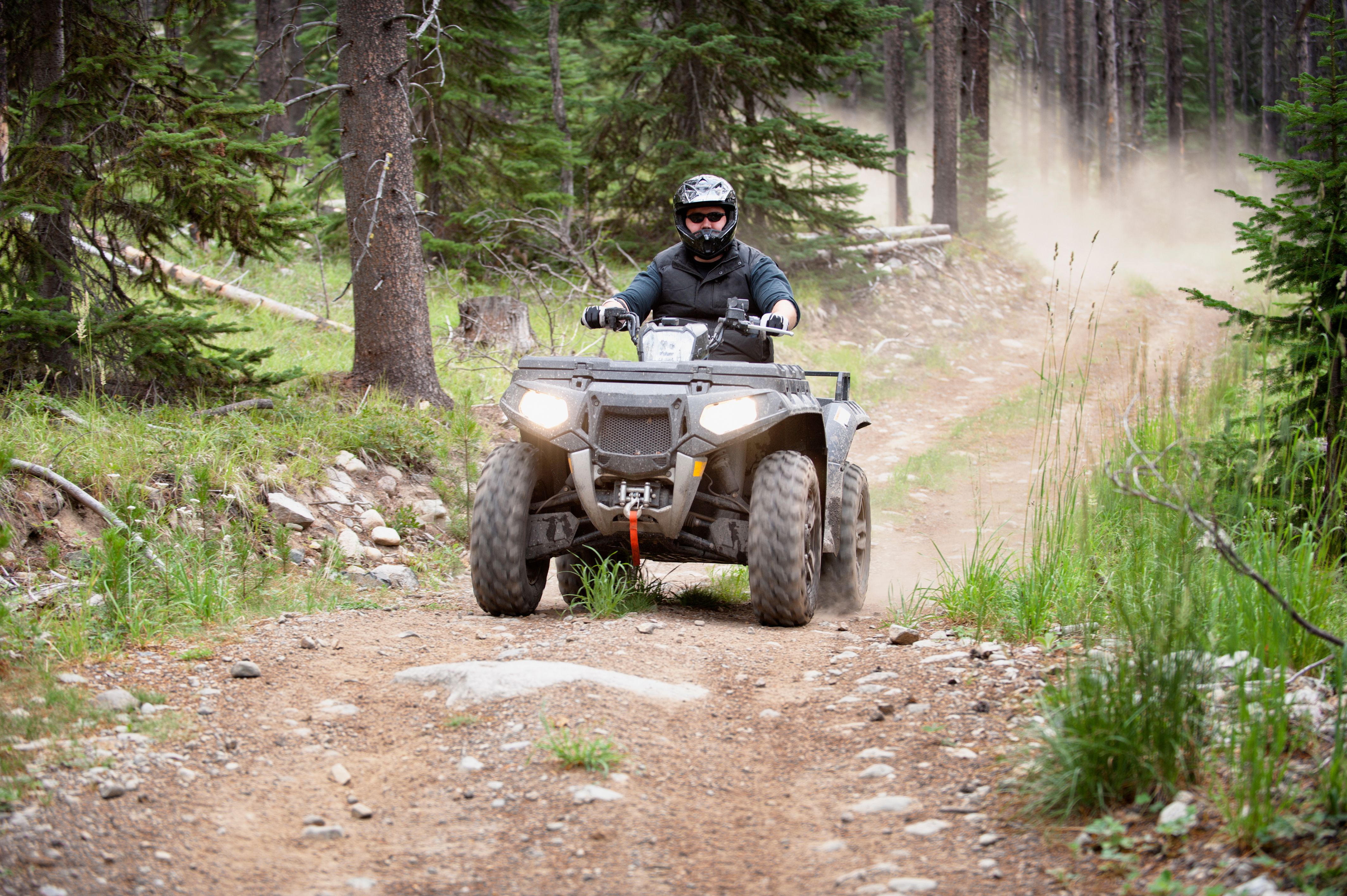
Spring in West Virginia is known for its rain, leading to muddy trails. To tackle this, make sure your ATV's tires have a good tread pattern suitable for muddy conditions. Consider installing mudguards to keep debris from damaging your ATV's undercarriage.
Additionally, check your ATV's brakes, as wet conditions can affect their performance. Lubricate your chain and suspension to prevent rusting from the increased moisture in the air.
Summer: Handling the Heat
Summer brings heat and dust, which can strain your ATV's engine. Ensure your cooling system is functioning optimally. Regularly check and clean the air filter to maintain engine performance in dusty environments.

Protect yourself from the sun by wearing appropriate gear. Hydration is key during long summer rides, so carry enough water to stay refreshed.
Fall: Dealing with Slippery Trails
Fall in West Virginia is picturesque, but fallen leaves can create slippery surfaces. Equip your ATV with tires that provide excellent traction. Regularly inspect your brake system to ensure it responds well to sudden stops on slippery trails.
Visibility can decrease with the shorter days and overcast skies. Check your ATV's lighting system, replacing any dim or damaged bulbs to ensure you’re seen and can see clearly.
Winter: Conquering Snow and Ice
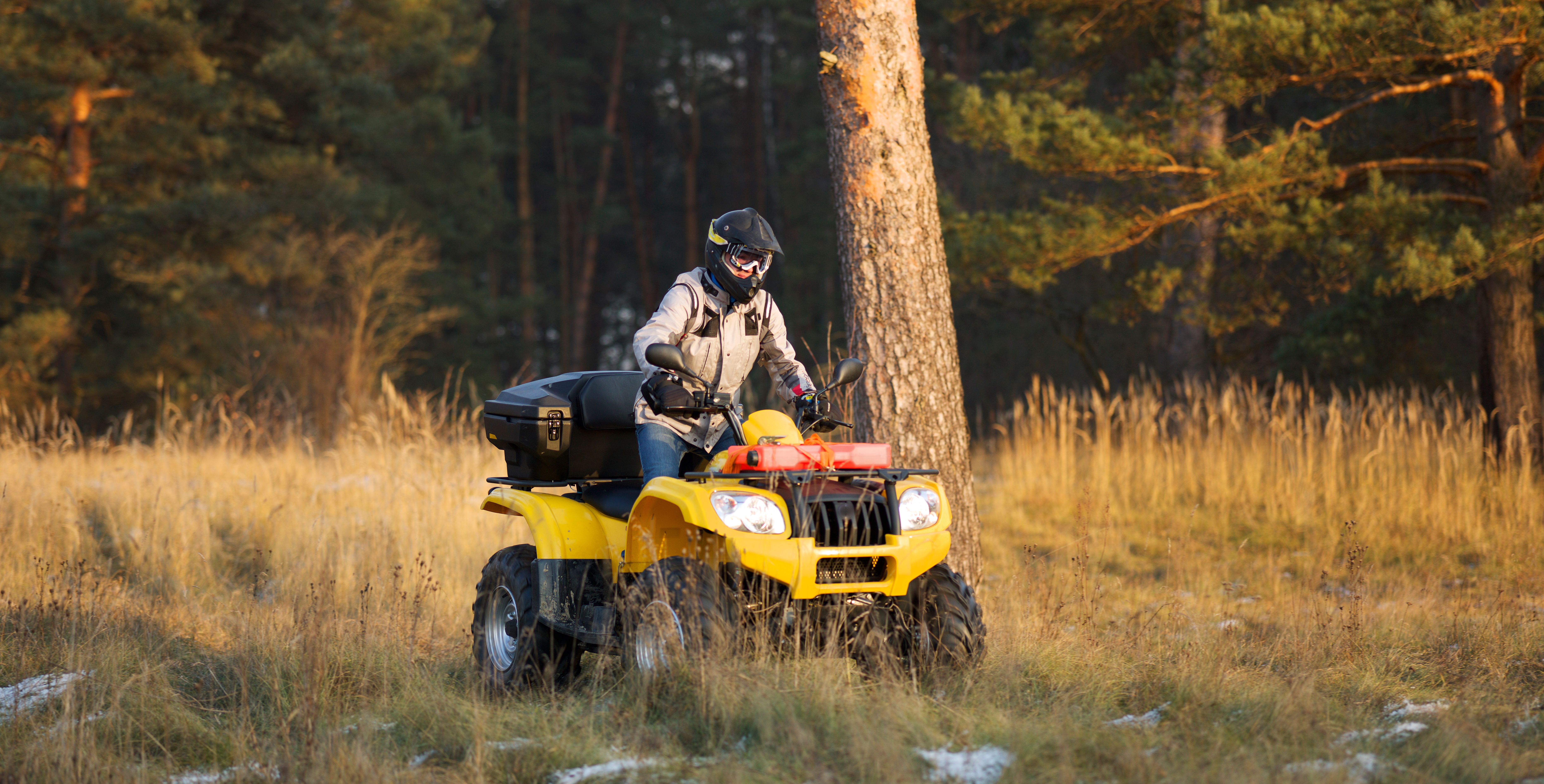
Winter riding requires robust preparation. Snow and ice can be challenging, so fitting your ATV with snow tires or chains is advisable. Check antifreeze levels to protect your engine from freezing temperatures.
It’s also important to keep your battery charged, as cold weather can drain it quickly. Use fuel stabilizers to prevent the gas from thickening in the cold.
Maintenance Tips for Year-Round Riding
Regardless of the season, consistent maintenance is crucial. Regularly inspect your ATV for wear and tear, keeping an eye on the oil levels and ensuring all bolts and nuts are tightly secured.
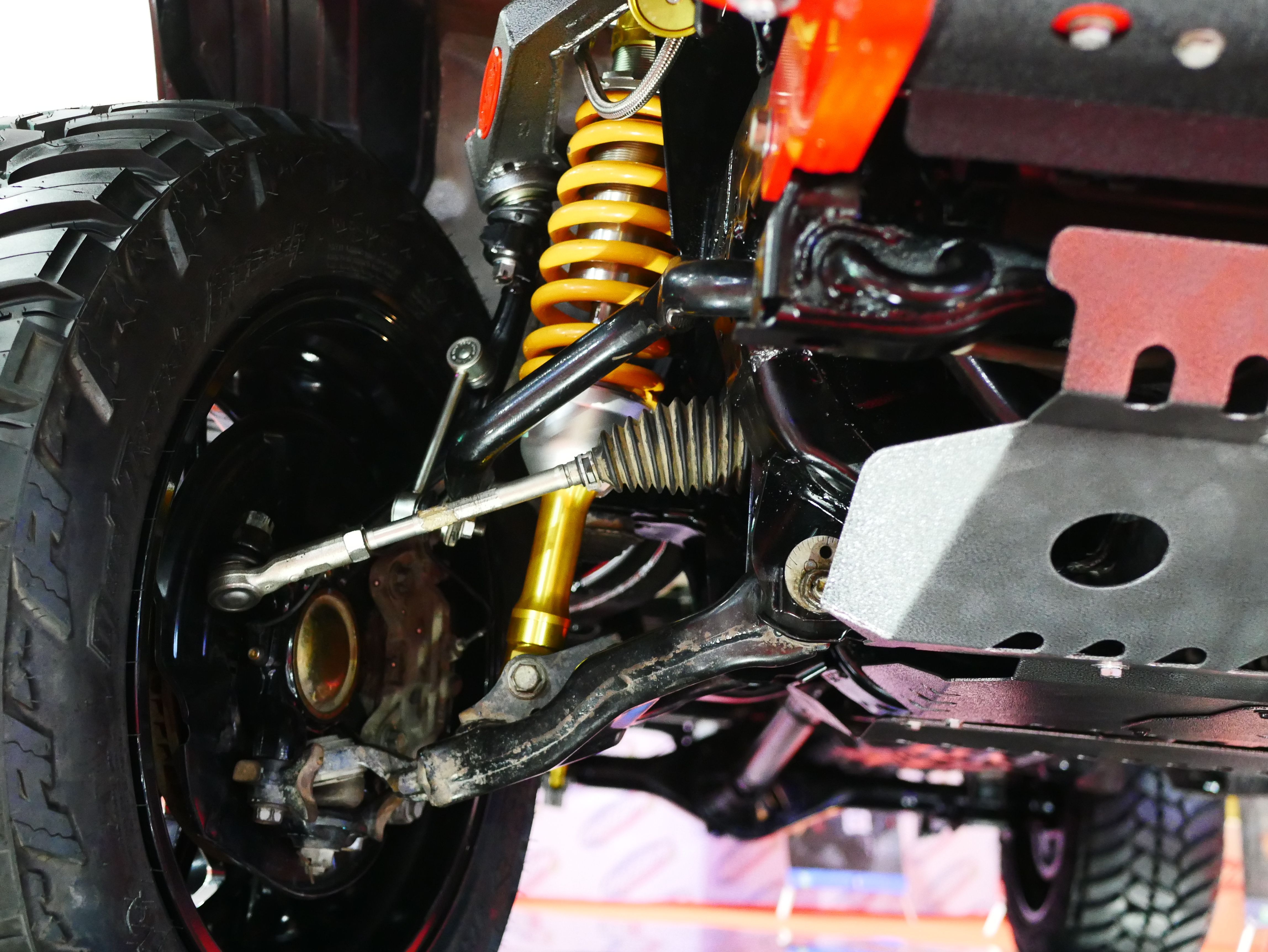
Keep a toolkit handy for quick repairs on the trail. Carry spare parts like spark plugs, a tire repair kit, and extra fluids to handle unexpected breakdowns.
Staying Safe on the Trails
Your safety is as important as your ATV's condition. Always wear appropriate safety gear, including helmets, gloves, and protective clothing. Familiarize yourself with the trails and stay updated on weather conditions before heading out.
Never ride alone in remote areas, and always inform someone of your plans and expected return time. With the right preparation, riding your ATV across West Virginia's beautiful landscapes can be an unforgettable adventure.